
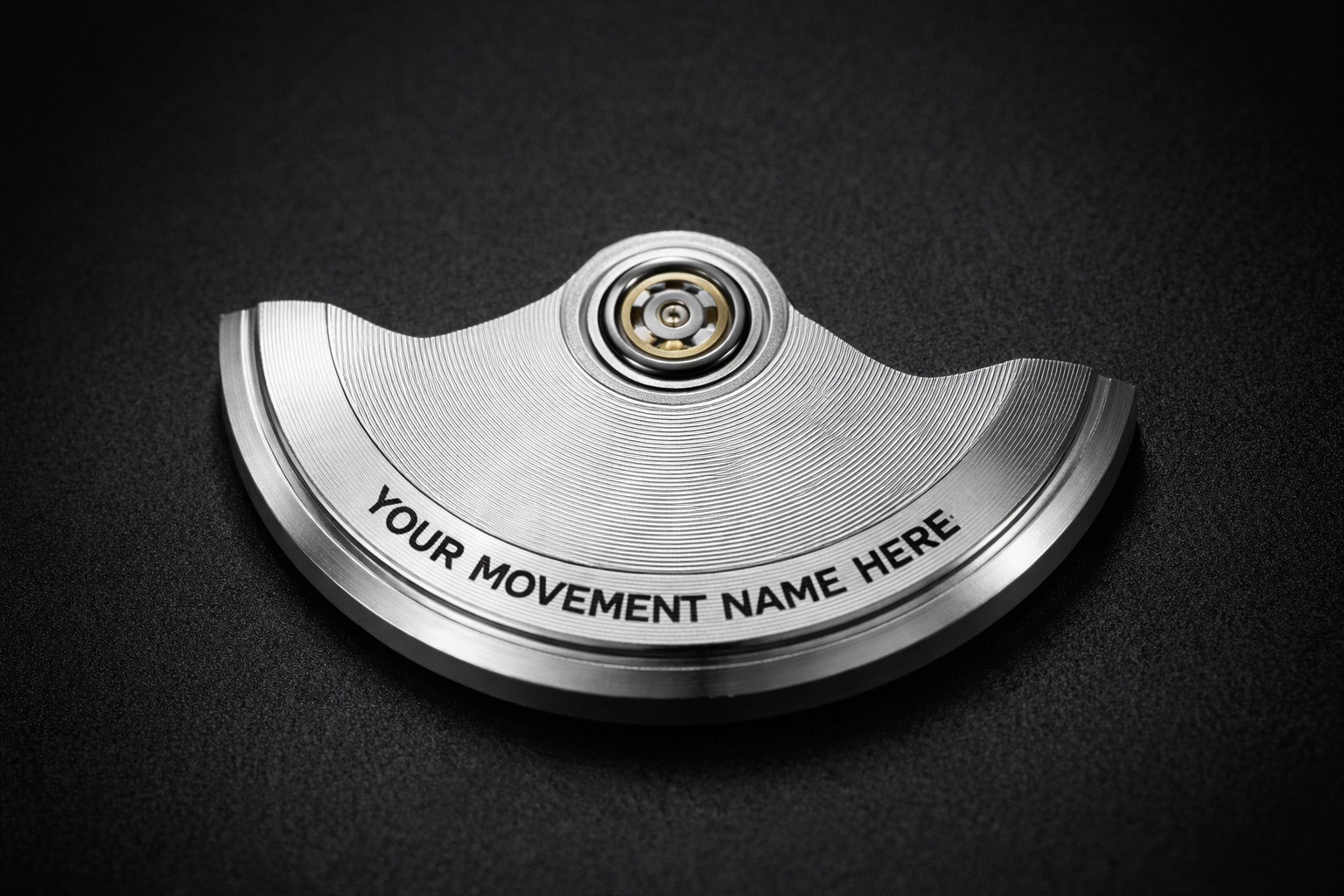
If you’ve read other parts of this site, you probably have a pretty solid idea for where I’m going with this. In the mornings, while I drink coffee and corral my daughter toward school, I read a handful of blogs. One of those blogs recently did a post titled “Are In-House Movements Overrated? Lessons from 2 Tudors and an IWC”
I knew from the title exactly where the article was headed. Dude got stung, and it’s a PITA to get the watches fixed. He even posits that fixing isn’t really what’s going on so much as movement swapping. I have no problem with movement swapping if that’s the best solution, but that it’s the best solution definitely says something. ESPECIALLY on a high dollar watch where the manufacturer touts its in-house movement!
Thing is, making watches from scratch is an astronomically expensive undertaking. There’s a pun there, in that prior to the space race, watchmaking was the pinnacle of science and industry, as well as art for those so inclined. Making the alloys is hugely complex and expensive, requiring a large and dedicated facility. Making the synthetic sapphire for jewel bearings and crystals is hugely complex and expensive, requiring a large and dedicated facility. Making wheels (watchmaker for gears) is hugely complex and expensive… You get the point. It goes on like this for pretty much the whole thing.
Historically, this was an easily solved problem in that you had a few suppliers for springs that supplied the industry. A few suppliers for jewels, etc. Even if a watch manufacturer made their own movements in-house, most of the parts were brought in from suppliers. For most manufacturers of in-house movements (as in, more than just a logo on a rotor or something), this is still the case, despite what their marketing departments would have you believe. Most watch manufacturers writ large bought in movements from ETA, A. Schild, Certina, Baumgartner, and myriad other movement manufactures, and cases and dials from others, and so on, then cased and regulated, and then you had a finished watch. Anyway, /historyLesson.
An in-house movement in 2026… For 99% of them, hard pass. If there is something about the movement that is technologically unique and superior, I’m all for it. That is a very small list of movements though. Things like interesting escapements with super high beat rates or long service intervals, maybe an interesting display module, or some other unique innovation.
Point is, I’m not going to waste my money on a new Tudor for the in-house movement. All that means is more expensive, more difficult, and longer service and repair. Back when they were using top grade 2824s, hell yeah! Those are worth doing. High quality case and a high quality movement that’s accurate and can actually be maintained. That’s how you make an heirloom. In-house movement that can only be serviced by the manufacturer, isn’t fully proven and is rushed out the door because some marketing wank said something stupid… That’s how you get date functions that don’t work, or whatever issues the blog guy was having.
Blog guy says his Panerai’s movement has been good, but that it’s arguably not all that “in-house”. I don’t know the details, but it’s extremely common to take an existing workhorse movement, make some minor change, mostly the name, and call it “in-house”. The watch the blog guy says is most reliable and that he worries about the least is a Doxa with a workhorse ETA movement. Go figure. No issues, because it’s proven to death, and no worries about service because there are millions of them out there and parts are abundant, so it can always be fixed.
Workhorse movements aren’t often found in the flashiest of watches, but… yay? If a watch is too expensive, I’m not going to wear it. Full stop. There’s no point. The utility of a good watch can’t be argued, but if you’re constantly afraid of damaging it (and if you wear it enough, you will damage it), you don’t own the watch, it owns you. A watch that can live your life with you is far more valuable, because it can actually do the job it’s intended for.
If you really like a particular watch, go nuts. You do you. Consider the long term care of that watch though. Do you really want to schlep down to an authorized dealer, fill out a form, leave your watch with a stranger, have it sent thousands of miles, wait an interminably long time, pay way more than you should, and so on and so forth? Is it worth it? Or a few years down the road, is that hassle and expense going to come up, and you’ll just and wish you hadn’t spent thousands of dollars on a sock drawer ornament?
Leave a Reply